How to Set up a Tub Yourself
Automated MarketingThis great article below about How to Install a Bathtub is quite stimulating. You should investigate for yourself.
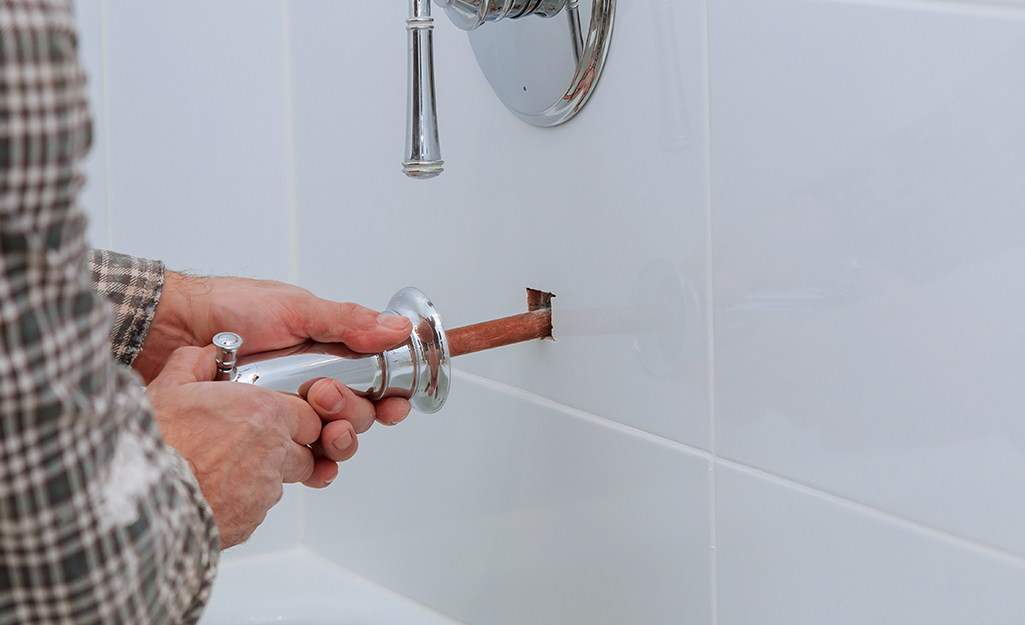
Setting up a bath tub isn't specifically rocket science, but it does call for strong plumbing, woodworking, and also sometimes, tiling skills. Replacing an old tub with a new one is also a moderately challenging job. If the old bathtub is conveniently accessible, the project can move rapidly; if you need to open up a wall surface to get rid of the old bathtub and also place the brand-new tub, the job is a lot harder. In either case, the job is within a house handyman's abilities, although you will certainly need a helper to leave the old bathtub and also set in the new one. Ensure you have actually certified on your own for the work and also are comfortable attempting it. Instead of employing a service provider to take control of a halfway-completed task, it is far better to consider using one prior to you start. Opportunities are you might require a specialist plumber to make tube links.
This article will help you install a new bathtub in your restroom if you have already bought a new tub and don't need to alter the arrangement of your previous water pipelines.
Your devices and material checklist should comprise the following:
Removing Old Taps
If you need to replace old faucets with brand-new ones as a part of your installment, after that the first thing you must do is disconnect the water supply. After doing so, activate the faucets to drain pipes any type of water staying in the system. The procedure of eliminating the existing faucets can be fairly bothersome as a result of the limited accessibility that is commonly the case.
Use a basin wrench (crowsfoot spanner) or a faucet device to reverse the nut that links the supply pipelines to the taps. Have a fabric prepared for the remaining water that will come from the pipelines. As soon as the supply pipelines have actually been eliminated, use the same device to loosen the nut that holds the taps onto the bath/basin. You will require to quit the solitary taps from transforming throughout this procedure. When the taps have actually been gotten rid of, the holes in the bath/basin will certainly have to be cleaned of any old securing substance.
Before proceeding to fit the new faucets, contrast the pipe connections on the old faucets to the brand-new taps. If the old taps are longer than the brand-new faucets, after that a shank adapter is required for the brand-new taps to fit.
Fitting New Taps
If the tails of the brand-new taps are plastic, after that you will certainly need a plastic adapter to avoid damages to the string. One end of the connector fits on the plastic tail of the faucet as well as the other end supplies a connection to the current supply pipes.
If you require to fit a monobloc, then you will certainly need reducing couplers, which links the 10mm pipe of the monobloc to the common 15mm supply pipeline.
Next, place the tap in the placing hole in the bath/basin making certain that the washers remain in place in between the tap as well as the sink. Secure the faucet in position with the producer provided backnut. When the faucet is securely in position, the supply pipes can be linked to the tails of the faucets. The taps can either be attached by using corrugated copper piping or with regular faucet adapters. The former type ought to be attached to the tap finishes first, tightening just by hand. The supply pipes can later on be attached to the other end. Tighten up both ends with a spanner after both ends have been linked.
Mounting the Bathtub
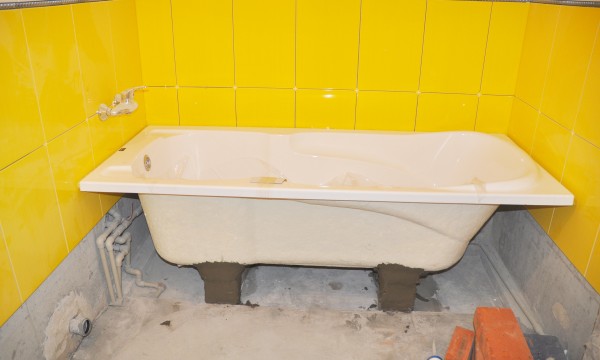
Utilizing both wooden boards under its feet, put the bath tub in the required setting. The wood boards are handy in evenly spreading the weight of the bath tub over the area of the boards rather than concentrating all the weight onto 4 tiny points.
The following objective is to ensure that the bathtub is leveled all round. This can be accomplished by examining the spirit level as well as readjusting the feet on the bath tub until the spirit level reviews degree.
To install taps, fit all-time low of the outermost flexible tap port to the ideal supply pipeline by making a compression sign up with; after that do the very same for the various other tap.
Switch on the water system and check all joints as well as brand-new pipework for leaks as well as tighten them if essential. Fill the bathtub and likewise inspect the overflow electrical outlet and also the normal outlet for leaks.
Finally, repair the bathroom paneling as explained in the supplier's user's manual. Tiling and sealing around the bathtub ought to wait up until the tub has actually been made use of a minimum of once as this will resolve it right into its last placement.
Planning for the Installment
To start with, the sustaining structure provided with the bathroom should be fitted (if required) according to the manufacturer's instructions. Next off, fit the faucets or mixer to the bath tub. When suitable the faucet block, it is necessary to see to it that if the faucet features a plastic washing machine, it is fitted in between the bathroom and also the taps. On a plastic bath, it is likewise reasonable to fit a sustaining plate under the faucets unit to avoid stress on the tub.
Fit the versatile faucet ports to the bottom of both taps using 2 nuts as well as olives (often supplied with the tub). Fit the plug-hole outlet by smearing mastic filler round the sink outlet hole, and then pass the electrical outlet via the hole in the bathroom. Make use of the nut provided by the maker to fit the plug-hole. Take a look at the plug-hole outlet for an inlet on the side for the overflow pipeline.
Next off, fit completion of the versatile overflow pipe to the overflow outlet. After that, screw the pipe to the overflow face which should be fitted inside the bathroom. See to it you make use of every one of the provided washers.
Connect the trap to the bottom of the waste electrical outlet on the bath tub by winding the string of the waste electrical outlet with silicone mastic or PTFE tape, and also screw on the catch to the electrical outlet. Link the bottom of the overflow tube in a similar manner.The bathroom need to currently be ready to be fitted in its final position.
Tiling Around the Bathtub
In the location where the bathroom satisfies the tile, it is needed to seal the joins with a silicone rubber caulking. This is important as the installation can relocate enough to crack an inflexible seal, creating the water to permeate the wall in between the bathroom as well as the tiling, causing issues with dampness and also possible leaks to the ceiling listed below.
You can select from a variety of coloured sealers to assimilate your fixtures as well as fittings. They are marketed in tubes as well as cartridges, and can securing voids as much as a width of 3mm (1/8 inch). If you have a larger void to fill up, you can fill it with twists of drenched paper or soft rope. Keep in mind to always load the tub with water prior to securing, to allow for the activity experienced when the bathtub is in use. The sealer can crack rather very early if you do not consider this movement before securing.
Additionally, ceramic coving or quadrant tiles can be made use of to border the bath or shower tray. Plastic strips of coving, which are easy to use and also reduce to size, are additionally quickly available on the marketplace. It is a good idea to fit the tiles making use of water-resistant or water resistant adhesive and also grout.
How to Install or Replace a Bathtub
Find Your Dimensions
The first step in any bathtub installation or replacement is to select the right size tub for your bathroom. Start by measuring your existing bathtub’s alcove from wall to wall. The standard size for bathtubs is around 5 feet long and 30 or 32 inches wide. Purchase the size that’s closest to your previous tub.
After you’ve measured, you’ll need to figure out what type of tub you need. Face the alcove. If the drain is on the right-hand side, you’ll need a right drain tub. If it’s on the left, get a left drain tub. Easy enough, right?
Disconnect the Water Supply and Drain Assembly
Before you can start on your removal, make sure that you turn off the tub’s water supply. Some bathrooms have a shutoff valve, but if you don’t see one, you’ll need to turn off the supply at your house’s water main. Once the water’s off, open the valves to release any remaining air in the supply lines.
Then, disconnect the tub drain flange. This process varies based on the type of drain you have, but in most cases, you’ll need a drain flange removal tool to perform this task. If you’re feeling handy, you might be able to use a pair of needle-nose pliers to twist and pull the flange.
Now comes the fun part. In order to disconnect the drain assembly, you’ll need to be able to get to the space underneath the tub. You might need to access the tub drain from a crawlspace or a basement. Don’t forget to take a pipe wrench with you, as you’ll need it to loosen the pipe at the connection.
Cut Out the Old Tub
After removing the drainpipe assembly, you can take out the old bathtub. Cut a strip above the tub edge in the wall surrounding the bathtub that's about 6 inches in height. The tools you need here may vary depending on the type of wall surround you have in the alcove. If you’re cutting drywall, use a drywall saw and remove the section of the wall all the way down to the studs. If you have tile, you’ll need to use a grinder with a diamond blade to cut through the grout line. Then, use a chisel to remove the individual tiles. Take care here not to cut through any studs.
Find the tub flange. Remove the screws that attach the flange to the studs in the wall. At this point, the tub should be freed from the wall.
Once you’ve removed the flange, use a utility knife to cut away the caulk between the tub and the floor. When this is done, you should be able to lift the tub up and out of the alcove. Keep in mind that, depending on what it’s made of, the old tub could be tremendously heavy. You should plan to have a friend help you move it just in case.
Install the New Tub
Before you make any adjustments to the area, place the new tub in the alcove to make sure it fits properly and that the tub drain lines up with the P-trap underneath the floor.
Remove it and install a 2 x 4 ledger board. Measure the tub’s flange, then mark that height on the wall. Screw the ledger board to studs in the wall. This will help to support the weight of the tub.
Once the ledger board has been installed, go ahead and secure the drain to the tub. For this step, you’ll need some plumber’s putty. Roll a small amount of putty in your hands and wrap it around the underside of the drain flange. Push the drain into the tub from underneath the tub.
When the drain has been attached, connect the overflow drain. To do this, you’ll place the gasket on the overflow elbow and move it behind the tub. Once that’s on, connect the overflow pipe and the drainpipe, but take care not to overtighten.
Secure the Tub
After the connections are in, it’s time to set the tub in place. Before you start, make sure the flange lines up with the markings you made in Step 4. Because the ledger board holds the tub in place, it’s important that it matches up. If not, you’ll need to remove it and readjust.
Once your measurements line up, attach the flange to the studs on all three sides of the wall. Please note that you should not screw the flange to the wall. Instead, you should use roofing nails because they won’t rust over time. When the tub is in place, install the baseboard and the molding in front of and around the tub.
Repair and finish off the drywall or tile that you cut in Step 3. If you’re installing a fiberglass bath surround, now’s the time to adhere it to the alcove.
Then, enjoy your tub! While all these steps might seem intimidating, removing and installing a new bathtub is a relatively easy DIY project that can be completed in a single day. And now, when you settle in for your next bubbly soak, you can enjoy your bath without the distraction of a tub in disrepair.
https://www.homeserve.com/en-us/blog/how-to/bathtub-replacement/
Do you like more info about Tools You Need to Install a New Bathtub ? Post a short review directly below. We will be pleased to listen to your opinions about this piece. We are looking forward that you come back again soon. Remember to take the opportunity to distribute this entry if you enjoyed it. I praise you for your time. Please check our blog back soon.
Get A Free Estimate